
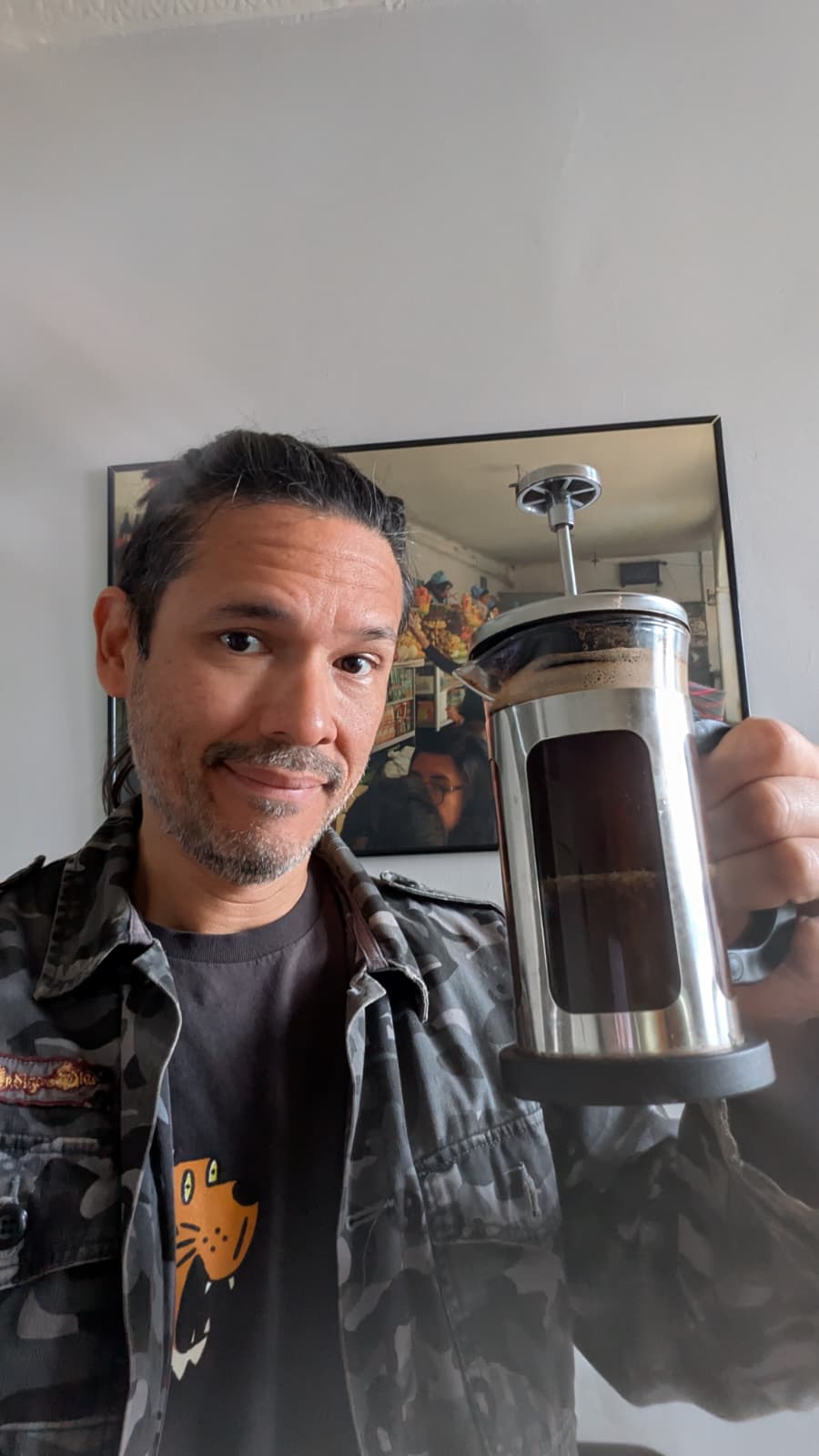
There’s something comforting about brewing coffee with a French press. The process feels slow, intentional, and relaxing. Unlike rushed coffee from chain stores, French press coffee gives you full control over flavor, strength, and aroma. You smell the coffee bloom, hear the water pour, and watch the grounds slowly transform into a rich cup of coffee.
For many home baristas, the French press becomes the first real step into specialty coffee. And honestly, it’s one of the easiest ways to brew better coffee at home.
A Brief History of the French Press
The French press has been around for over 100 years. Early versions appeared in France during the late 1800s, but the modern design became popular in the 1920s after Italian inventors improved the coffee brewing system.
The idea stayed simple:
- Add coffee
- Pour hot water
- Let it steep
- Press the filter down slowly
That simplicity helped make the French press one of the most popular brewing methods worldwide.

Today, specialty coffee lovers still use it because it creates rich flavor and full body without needing expensive equipment.
Why Home Baristas Love the French Press
The French press produces coffee that feels bold, smooth, and comforting. Since metal filters allow natural coffee oils to pass through, the flavor feels fuller compared to paper-filter brewing methods.
Additionally, French press brewing works beautifully with specialty coffee beans from Latin America.
For example, a high-quality Caturra coffee variety can produce chocolate, caramel, and fruit notes that shine inside a French press. The brewing method helps preserve the coffee’s body while still highlighting sweetness.
Most importantly, the French press slows you down. Brewing becomes part of your morning routine instead of just another rushed task.
What You Need to Brew French Press Coffee
You do not need expensive gear to start.
Here’s what helps:
- French press brewer
- Fresh coffee beans
- Burr grinder
- Hot water
- Timer
- Spoon
Fresh coffee matters most. Pre-ground coffee loses flavor quickly, so grinding beans right before brewing creates a much better cup.
Step 1: Use Coarse Ground Coffee
French press coffee works best with coarse grounds.
Think about the texture of sea salt.
If the grind becomes too fine, the coffee may taste bitter or muddy. Meanwhile, coarse grounds create smoother extraction and cleaner flavor.
A good starting point is:
- 2 tablespoons of coffee per cup of water
However, you can always adjust based on your taste preferences.
If you use specialty coffee like the Caturra coffee variety, coarse grinding also helps preserve the delicate sweetness and balanced acidity that make the bean special.
Step 2: Heat Your Water Correctly
Water temperature changes everything.
The ideal brewing temperature sits around:
- 195°F to 205°F
If the water boils aggressively, let it rest for about 30 seconds before pouring.
Water that feels too hot can over-extract the coffee and create bitterness. Meanwhile, cooler water may leave the cup weak and flat.
Step 3: Add Coffee and Pour Water Slowly
First, add your coffee grounds into the French press.
Then slowly pour hot water over the grounds in circular motions. Make sure all the coffee becomes saturated evenly.
At this stage, you’ll notice something exciting happening.
The coffee begins to bloom.
Fresh coffee releases trapped gases, creating bubbles and rich aromas that instantly fill the room. This moment tells you the coffee is fresh.
And honestly, that smell alone makes home brewing worth it.
Step 4: Let the Coffee Steep
After adding water, place the lid on top without pressing the plunger down yet.
Now let the coffee steep for about:
- 4 minutes
This waiting period matters.
The coffee slowly extracts flavor, oils, sweetness, and aroma during these minutes. Meanwhile, your kitchen starts smelling like a real café.
Some home baristas experiment with longer steep times for stronger flavor. However, starting with four minutes usually creates balanced results.
Step 5: Press Slowly
Here’s where many beginners rush.
Do not slam the plunger down quickly.
Instead, press slowly and steadily. A gentle press helps separate grounds without disturbing the coffee too aggressively.
If pressing feels extremely difficult, your grind may be too fine.
Once fully pressed, serve the coffee immediately.
Leaving brewed coffee sitting on the grounds too long can create bitterness.
Why French Press Coffee Tastes Different
French press coffee feels richer because the metal filter allows natural coffee oils and microscopic particles into the final cup.
Paper filters remove many of those oils.
As a result, French press coffee often tastes:
- Fuller
- Bolder
- Smoother
- More aromatic
That texture creates a comforting and café-like experience at home.
Common French Press Mistakes
Even simple brewing methods can go wrong.
Here are common mistakes to avoid:
Using Pre-Ground Coffee
Fresh grinding creates dramatically better flavor.
Grinding Too Fine
Fine grounds cause bitterness and muddy texture.
Using Boiling Water Immediately
Extremely hot water burns delicate flavors.
Steeping Too Long
Over-steeping creates harshness and bitterness.
Leaving Coffee in the French Press
Transfer leftover coffee into another container if possible.
Why Brewing at Home Feels More Rewarding
Home brewing changes your relationship with coffee.
Instead of grabbing rushed coffee during a stressful commute, you slow down and create something intentionally. You notice aroma, flavor, texture, and freshness more clearly.
Additionally, brewing at home often saves money while improving quality. And honestly, there’s something satisfying about mastering your own brewing routine.
French Press Coffee Pairs Perfectly With Quiet Mornings
The French press fits perfectly into slow mornings, rainy afternoons, and relaxed weekends.
You do not need advanced barista training.
You simply need:
- Fresh coffee
- Patience
- Good water
- A few quiet minutes
That’s enough to create café-quality coffee at home. Congrats!
The French press remains one of the best ways to start your home barista journey. It’s affordable, easy to learn, and capable of producing incredibly flavorful coffee.
More importantly, it helps you appreciate specialty coffee on a deeper level.
Once you begin brewing fresh coffee at home, regular commercial coffee often feels flat by comparison.
So slow things down tomorrow morning. Grind fresh beans. Heat the water carefully. Let the coffee steep. Then enjoy the ritual one cup at a time.